
Why Individualised Support Is Essential in Early Education
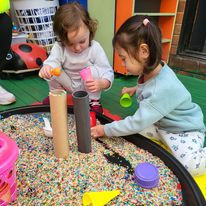
Every child is unique. From the way they think and play to how they communicate and express emotions, no two children grow or learn in exactly the same way. That’s why individualised support in early education plays such a vital role. When learning is shaped around each child’s strengths, interests, and developmental needs, it becomes more meaningful and lasting. In a child care centre in Lyndhurst, where children are supported in their early years of learning and development, providing individualised attention helps nurture each child’s unique way of thinking, playing, and growing. Tailored learning based on their interests, strengths, and needs not only boosts engagement but also lays a strong foundation for lifelong learning.
Respecting Every Child’s Way of Learning
No single approach works for all children. Some toddlers jump into new activities with excitement, while others take their time. Some prefer talking things through, while others learn best by doing. Recognising these differences allows educators to respond in ways that make learning more accessible and enjoyable.
Rather than expecting all children to meet the same milestones at the same time, individualised care meets each child where they are. It allows room for growth in a natural, stress-free way. This approach also gives children the chance to develop confidence because when they feel understood, they’re more likely to engage and take part in learning experiences willingly.
Personalised support doesn’t require big changes; small, consistent adjustments in routine, interaction, and learning materials can make all the difference.
The Importance of Strong Educator-Child Relationships
At the heart of effective early education are strong, trusting relationships. These connections create a sense of emotional safety, which is especially important during the first five years of life.
Children who feel secure in their environment are more open to trying new things and building social connections. They learn to manage emotions better when they know there’s an adult nearby who understands and supports them.
Educators who offer consistent care and take time to truly understand a child’s behaviour and communication style can spot when a child needs extra help or when they’re ready for a challenge. This kind of personalised attention forms a safe space for learning, where children feel seen and valued.
These relationships also extend to families, fostering open communication and a shared understanding of a child’s needs and progress.
Supporting Learning Through Flexibility
One of the biggest strengths of individualised care is flexibility. In early learning, plans need to shift based on the needs of the day and the needs of the child.
For example, an activity that works well for one group may need to be adjusted for a child who prefers quieter spaces or slower transitions. Educators who are tuned in to these preferences can offer alternative ways for the child to participate without feeling excluded.
This doesn’t mean children are kept apart it means they are given options to engage in ways that suit their personalities and learning styles. Over time, this builds trust, independence, and enthusiasm for learning.
Children who feel free to explore learning in their own way often go on to become more confident problem-solvers and communicators.
Helping Children Develop Emotional Awareness
Understanding emotions is a skill that takes years to build and it starts in early childhood. Through personalised support, children are gently guided to recognise their feelings and express them in healthy ways.
Educators play a key role in this by modelling calm responses, naming emotions, and creating a space where big feelings are okay. Instead of simply correcting behaviour, they guide children to understand what they’re feeling and why.
For instance, a child who is overwhelmed during group play might be offered a quiet activity or a chance to express what’s bothering them. This simple act of tuning in builds emotional intelligence.
These practices become especially important during moments of transition or unfamiliar routines, such as emergency evacuation drills. Supportive educators help children process the situation without fear, teaching calm and resilience.
Inclusion and Cultural Understanding
Children come from a variety of cultural backgrounds, family structures, and lived experiences. Personalised learning is also about respecting these differences and making every child feel they belong.
In inclusive early learning environments, educators make efforts to understand each child’s world what’s familiar, what brings comfort, and what might feel new or challenging. This can include incorporating home languages, celebrating cultural practices, or simply learning about a child’s interests from their family.
Family day care in Clyde offers a home‑based approach, more nurturing learning environment where children are supported to develop a strong sense of identity while engaging with and learning from their peers. This personalised style of care encourages culturally inclusive learning and helps children feel secure, valued, and confident in expressing who they are.
When children are supported in expressing who they are, they grow with greater confidence and social awareness.
When early education is personalised, it becomes powerful. Children thrive when their learning environment recognises and respects who they are how they feel, how they play, how they learn. A well-supported child is more likely to become an engaged learner, a caring friend, and a resilient problem solver.
Quality care settings such as a child care centre are designed to provide this kind of support blending structure with flexibility and nurturing individual growth every day.
Safety also remains a cornerstone, with child-friendly practices like emergency planning integrated into the learning environment in a calm and reassuring way.
For families seeking a more tailored, home-based learning experience, family day care offers the same child-centred approach in a smaller setting.
To learn how your child can benefit from a learning journey built just for them, contact First Idea Family Day Care on 1300 010 274. Families in Hampton Park, Cranbourne, Carrum Downs, Dandenong, and Doveton are seeing the benefits of environments where learning is tailored to the individual child, right from the start.